Fuel Polishing & Cleaning Service
We remove water, sludge, microbial contamination, and other tank-bottom debris from stored fuel — restoring cleaner, more reliable fuel without unnecessary downtime
Mobile On-Site Service
No Tank Draining Required
27+ yrs Petroleum Experience
How Do You Know If You Have Bad Fuel?
Stored fuel slowly degrades over time. Water intrusion and microbial growth will contaminate fuel long before problems become obvious.
Watch for any of these warning signs
💧
Water in Tank
Condensation or intrusion allows water to collect at the bottom of fuel tanks.
🦠
Microbial Growth
Bacteria and fungi grow where water and fuel meet, creating sludge and contamination.
🛢
Dark or Cloudy Fuel
Clean fuel should appear clear and bright. Dark or hazy fuel is often a warning sign.
⚡
Hard Starts or Rough Idle
Engines may struggle to start or run inconsistently when fuel quality degrades.
🔧
Frequent Clogged Filters
Contaminated fuel loads filters with sludge and debris.
If you notice any of these warning signs, your fuel should be inspected.
Catch fuel problems before they lead to failure.
Stored Fuel Does Not Stay Clean
Contaminated fuel quietly builds up until it causes expensive problems
Fuel often looks “fine” until water, sludge, sediment, and microbial growth begin collecting in the tank. Over time, that contamination can clog filters, reduce fuel quality, create reliability issues, and increase the risk of equipment failure when you need it most
💧
Water in Fuel
Condensation and intrusion introduce moisture that settles at the bottom of the tank.
🦠
Microbial Growth
Microbes thrive where water and fuel meet, creating biomass and accelerated contamination.
🛢
Sludge & Sediment
Dirt, rust, and tank-bottom debris accumulate over time and circulate through the system.
🔧
Performance Risk
Dirty fuel can lead to plugged filters, injector issues, poor combustion, and hard starts.
By the time problems show up, contamination has often been building for months or years.
See the Difference?
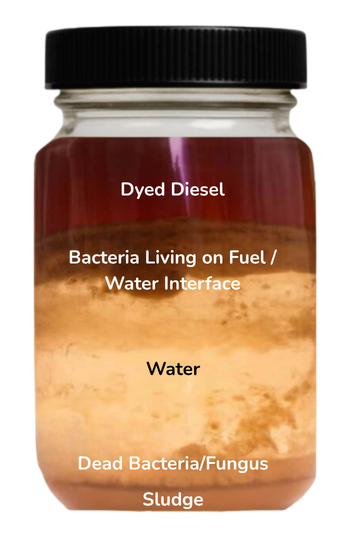
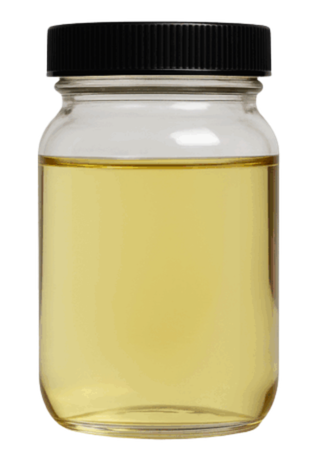
Fuel polishing cleans and restores fuel while it remains in the tank
Fuel polishing is a process that circulates fuel through specialized equipment to remove water, sludge, sediment, and other contamination. This helps restore cleaner fuel condition while also addressing the debris and buildup that collect over time in storage systems

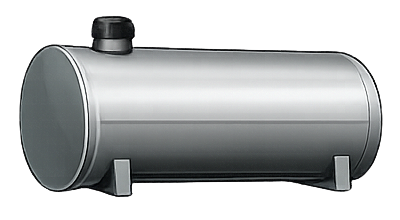
Fuel Is Pulled From The Tank
Fuel polishing starts by drawing stored fuel out of the tank and into the cleaning system. This creates a controlled circulation loop that allows the fuel to be cleaned on-site while staying within the existing tank system. It is the first step in removing the contamination that builds up during long-term storage.

Fuel Passes Through Specialized Cleaning Equipment
Once the fuel is in circulation, it passes through specialized equipment designed to clean and condition it. This system uses staged filtration and water separation to target common fuel problems such as free water, suspended contaminants, sludge, and sediment.
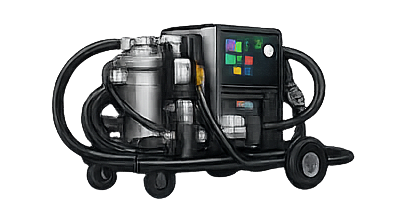

Contamination Is Removed During Circulation
With each pass through the system, contamination is removed from the fuel. Water, particulate matter, sludge, and tank-bottom debris are separated out so they are no longer present. This repeated circulation is what makes fuel polishing an effective way to restore fuel cleanliness.
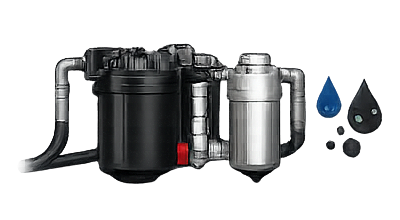

Cleaner Fuel Is Returned to the Tank
Once the fuel has passed through the cleaning system, it is returned to the tank in cleaner condition. By the end of the service, the tank contains cleaner, more reliable fuel ready to support the equipment that depends on it.
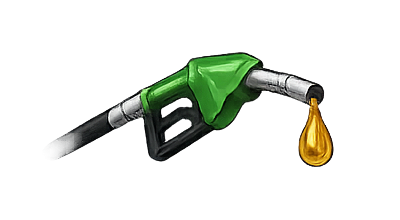
WHY IT MATTERS
Contaminated Fuel Causes Problems.
Clean Fuel Prevents Them.
Stored fuel can quietly collect dirt, water, sludge, and microbial contamination over time. Fuel polishing helps remove that contamination before it leads to downtime, maintenance issues, and equipment problems

Contaminated Fuel Leads to
Plugged Filters & Injectors
Water in the system
Sludge and sediment buildup
Hard starts & poor performance
Reduced Fuel Efficiency
Expensive Repairs & Downtime
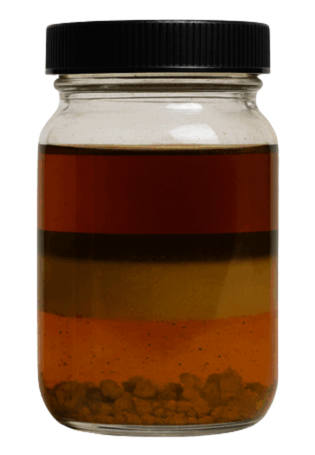
Clean Fuel Provides
Cleaner Fuel Flow
Improved System Reliability
Reduced Contamination Risk
Lower Maintenance Cost
Improved Fuel Performance
Reliable Operation
Stored Fuel Sitting Too Long? Schedule a Free Fuel Test.
A simple test today can prevent a failure tomorrow.
What to Expect From FuelShield
From first conversation to on-site service, we keep the process straightforward, practical, and easy to understand
1
Initial Conversation
We learn about your tank, fuel age, equipment, and any warning signs you have noticed.
2
Free On-Site Inspection
We come to your location, inspect the setup, and evaluate the condition of the stored fuel.
3
Fuel Polishing Service
If needed, we setup a date to polish the fuel through a specialized process while it remains in the tank.
4
Review and Recommendations
We review what was done and any smart next steps to protect fuel quality going forward.
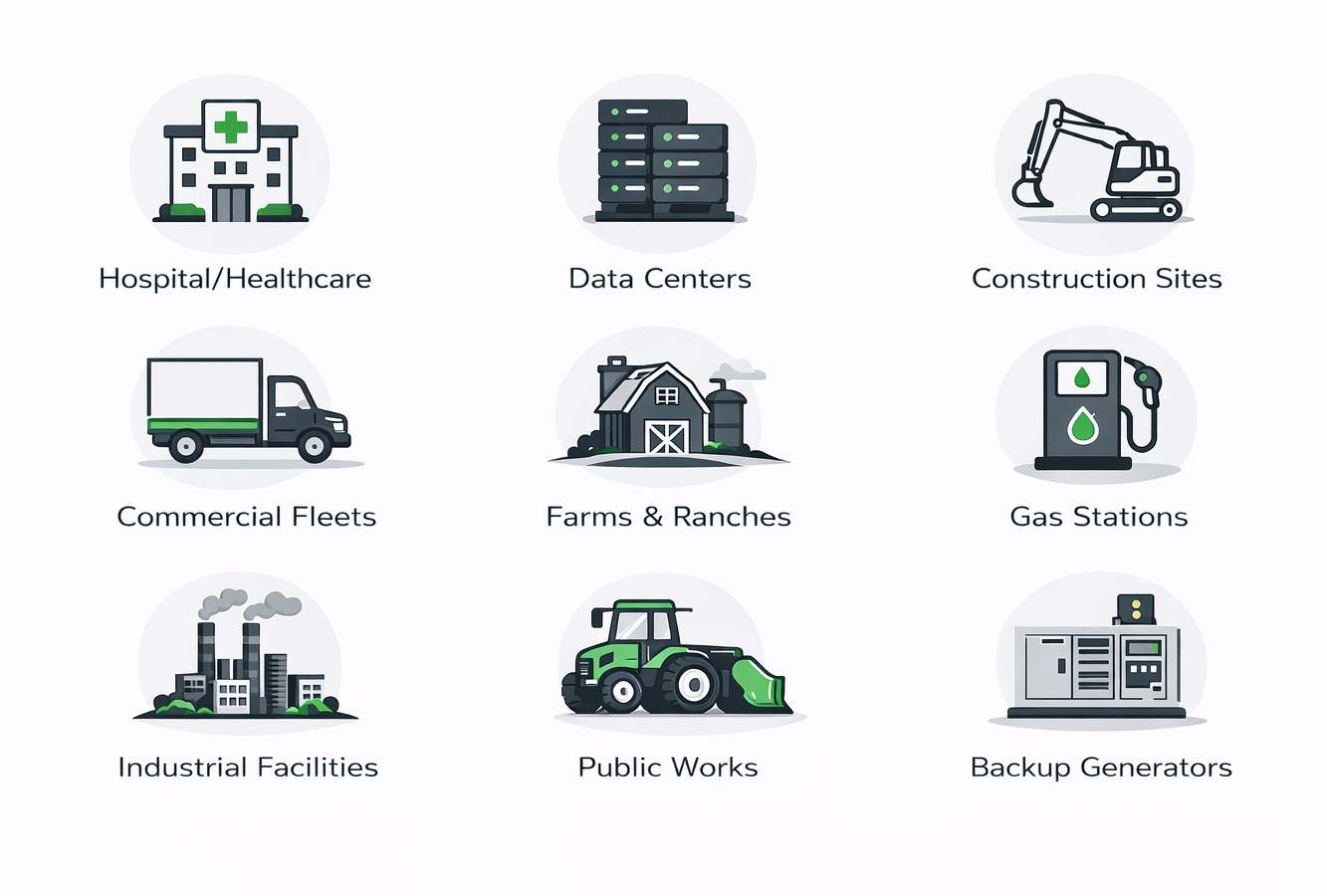
Built for Businesses That Depend on Reliable Fuel
If your operation relies on stored fuel, backup power, or equipment readiness, fuel quality matters more than most people realize
A Straightforward, Honest Approach to Fuel Quality
FuelShield is built to make fuel polishing clear, practical, and easy to understand — with on-site service, real-world experience, and no unnecessary complexity.
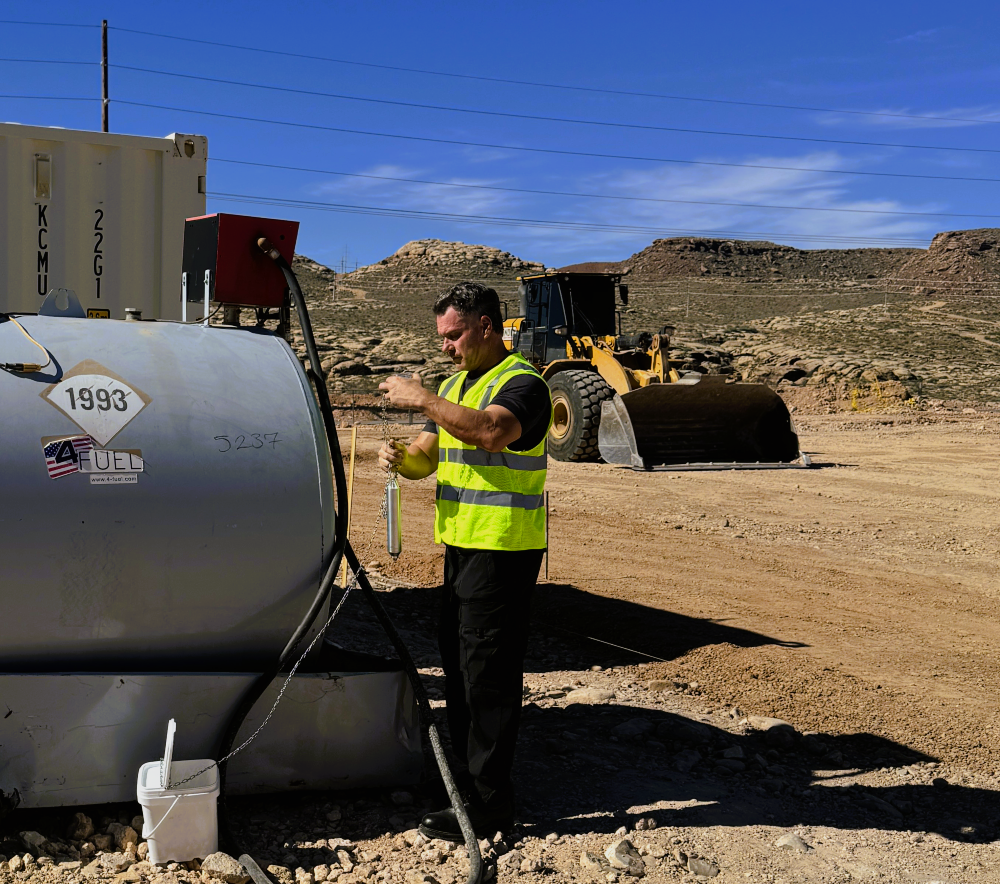
On Site Service
We come to your location and work directly with your tank and fuel system.
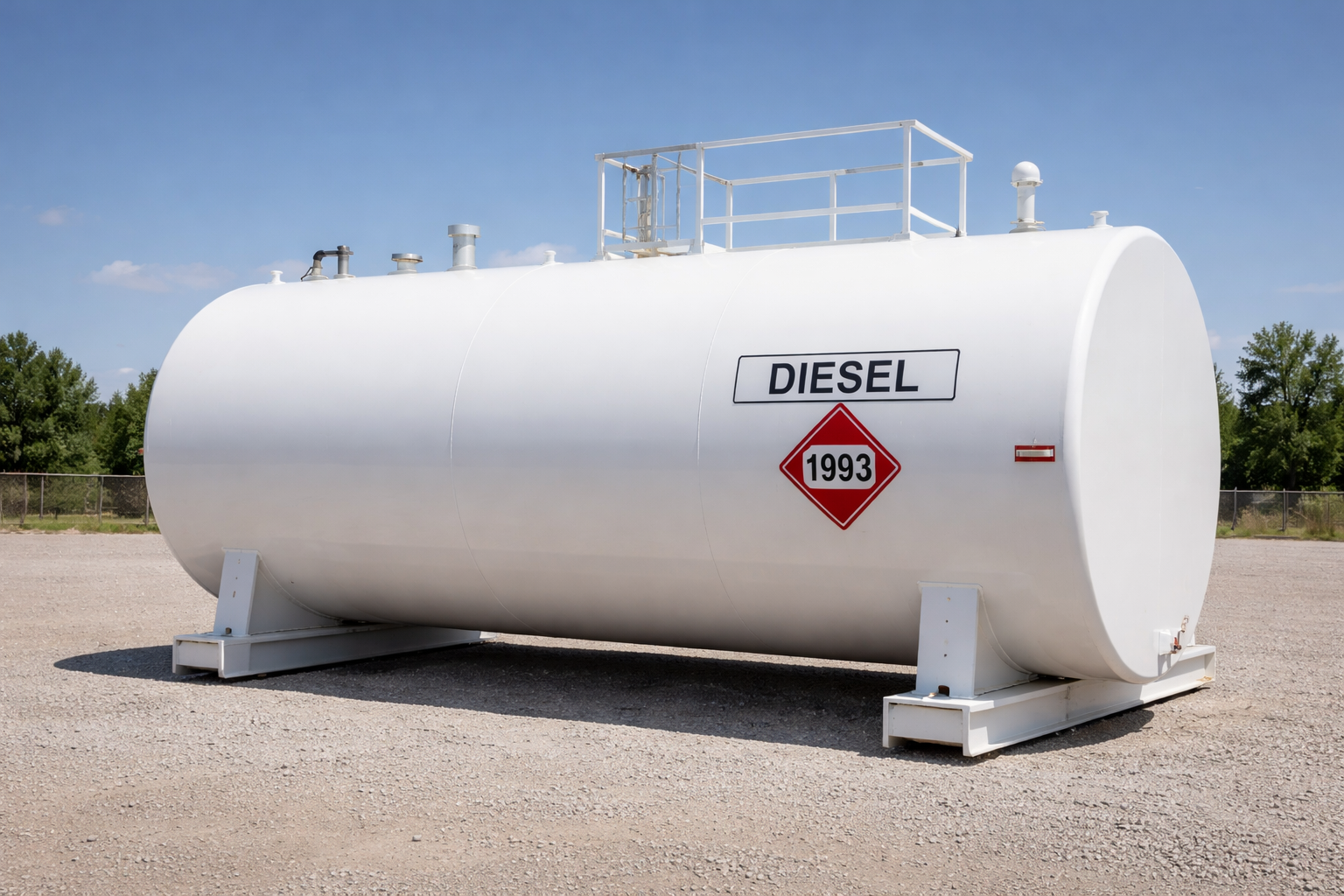
No Tank Draining
Fuel stays in the tank while we polish and clean the fuel.
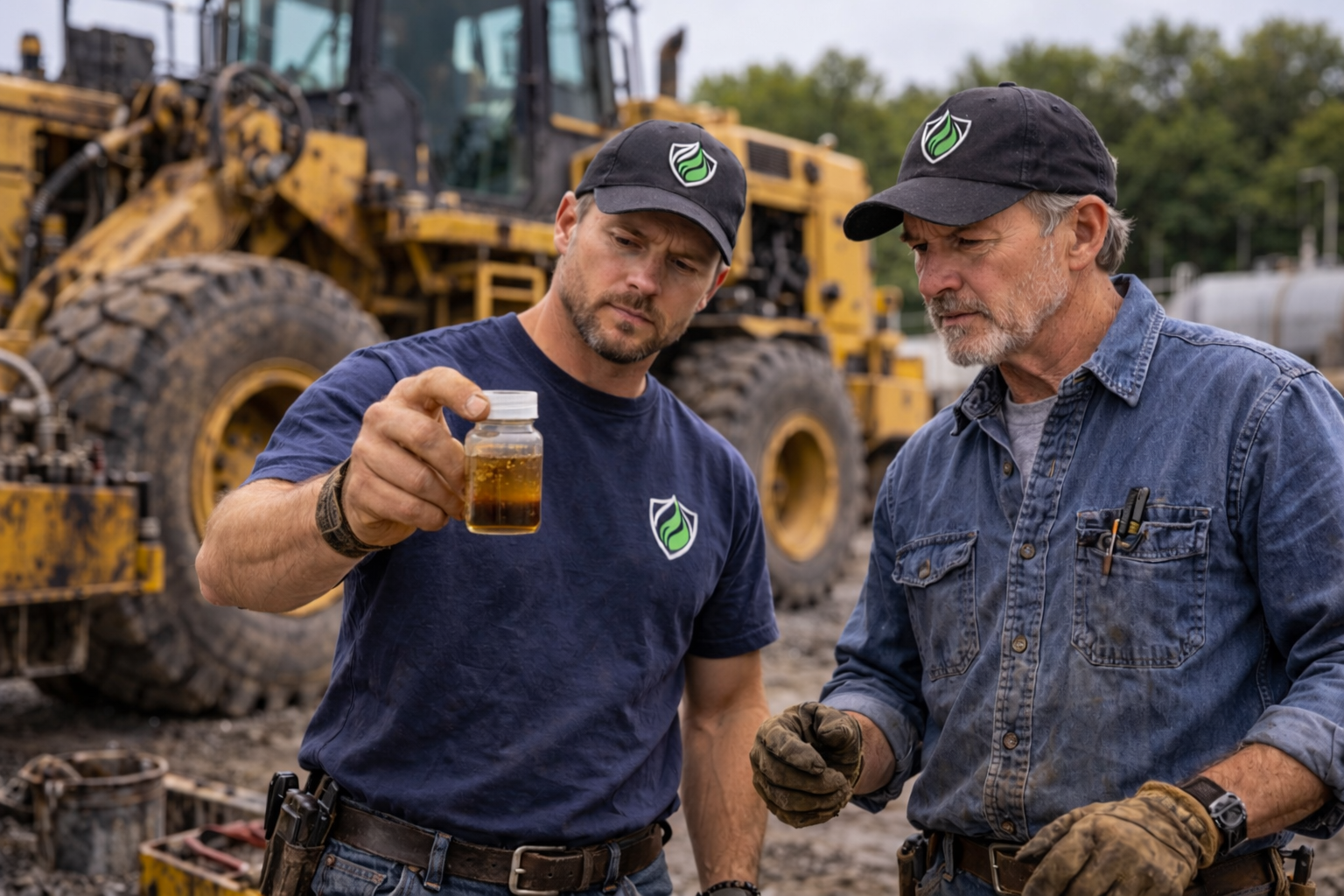
Clear Fuel Evaluation
We help identify what is happening in the tank and explain the condition in plain language.
Built for Real-World
From generators to fleets and equipment, we understand the environments where stored fuel matters most.
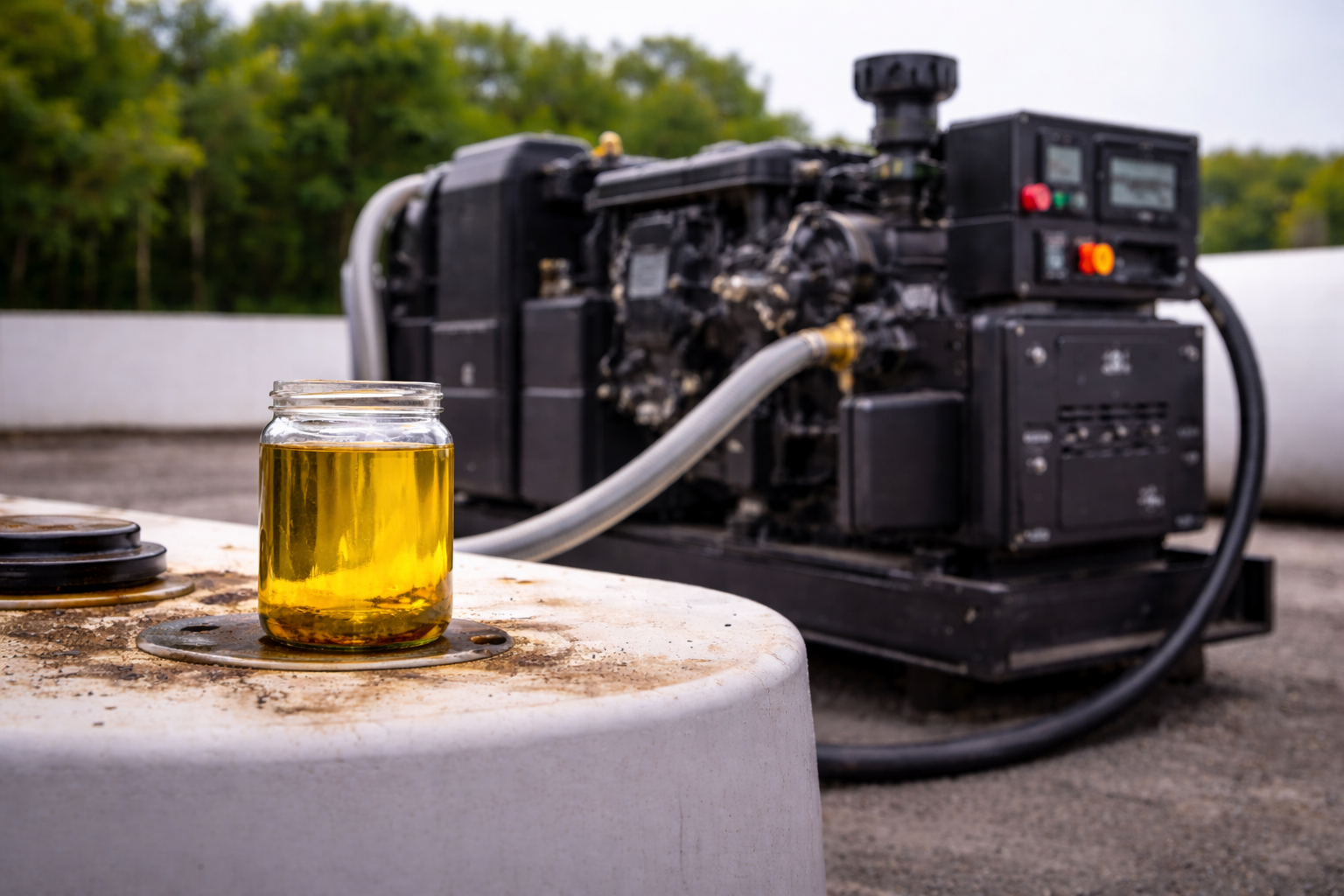
Practical Next Steps
If polishing is needed, we walk you through the process clearly and recommend the right next move.
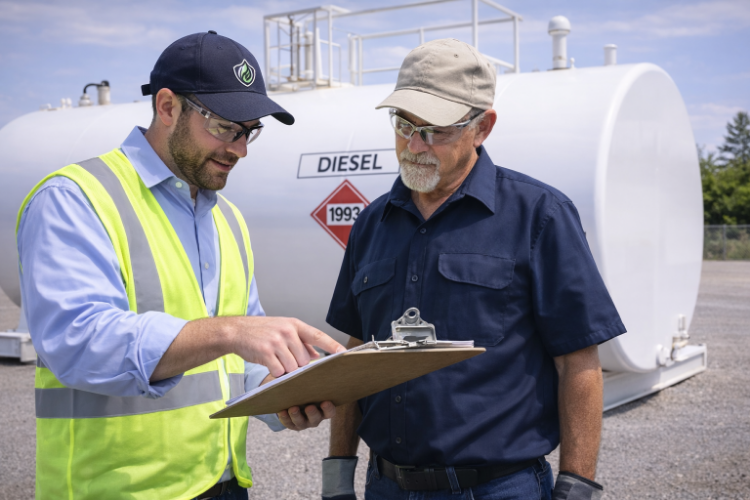
Your questions
answered
Have questions about FuelShield? Here are some of the most common questions to help you get started.
Still Have Questions?
Can’t find the answer you’re looking for? Let's chat.
Is the inspection really free?
Yes— your initial fuel test is free within our current service area. If you’re outside that area, lets chat!
What areas do you serve?
We are growing fast! Currently we serve the Mountain West States: Utah, Nevada, Idaho, Northern Arizona, NW New Mexico, SW Colorado. If you are outside this area, call anyways. Maybe we can help.
What do you inspect for?
We inspect for the most common fuel problems—especially in stored diesel and gasoline. That includes water contamination, sediment/particulate, and signs of microbial growth (“diesel algae”). We’ll show you the sample on-site and explain what you’re seeing in plain English, then recommend the next step.
Do I have to buy anything after?
No! The free fuel inspection comes with no obligation. You'll see the results with your own eyes immediately. If your fuel looks good, you'll know and you have peace of mind. If we find issues, we’ll discuss your options and you decide what—if anything—you want to do next.
How often should I test stored fuel?
A good rule of thumb is at least once per year for most storage tanks. If the fuel supports mission-critical equipment (like backup generators), quarterly is a best practice. If the tank sits for long periods, testing every 6 months is smarter. You should also test anytime you’ve had water intrusion (storms/flooding), a recent delivery that seems “off,” filter plugging, hard starts, or before a high-risk season (winter, wildfire season, peak operations).
Can you polish the fuel without draining the tank?
Yes—and that’s the genius of the FuelShield process and system. In most cases, we can clean your fuel right in the tank without draining it. We connect our filtration system, circulate the fuel, and remove water and contaminants as it passes through—so you keep your fuel on-site and get it back to a cleaner, more reliable condition.
Get Confidence in Your Fuel System
Whether you need answers, inspection, or full fuel polishing service, FuelShield makes the next step simple with on-site support and clear recommendations.
FREE On-Site Fuel Inspection
No Obligation, Real Results
No Tank Draining
CUSTOMER CARE
COMPANY
St. George, Utah
LEGAL
Copyright 2026. FuelShield. All Rights Reserved.
Built and Powered by MarketRev